People
Building a World-Class Management Foundation with Global Corporate and Startup Experience: Rapidus CFO's Vision for the Next Generation
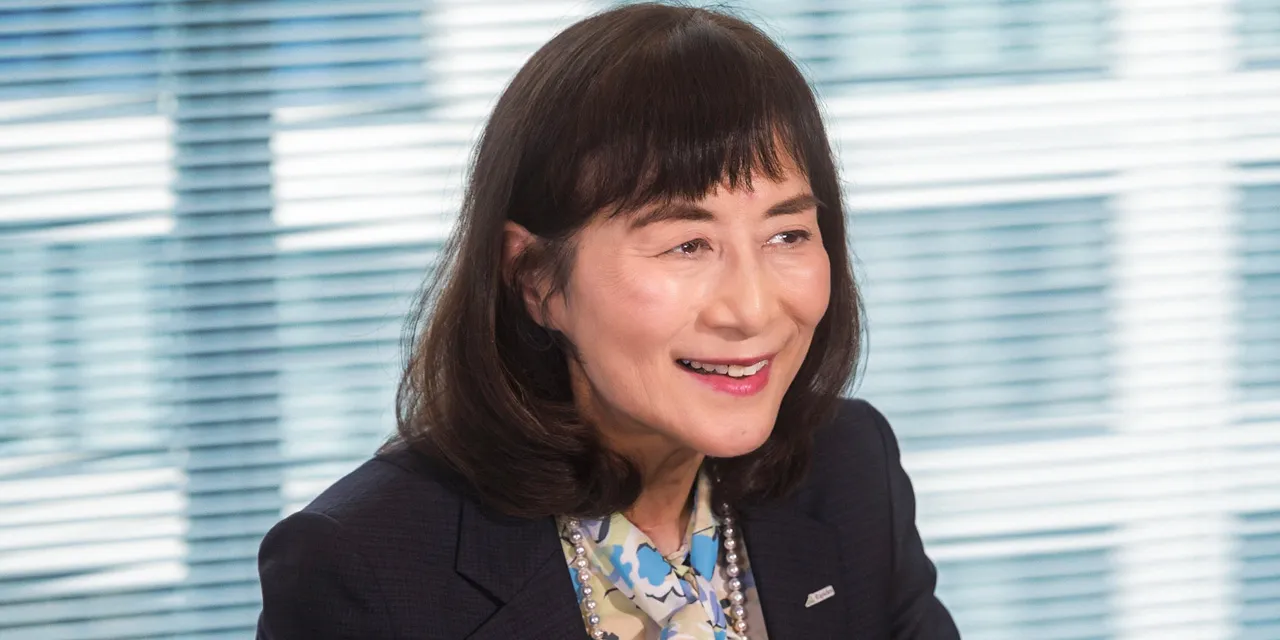
Atsuko Murakami
Director, Senior Managing Executive Officer, CFO and Head of Corporate Division, Rapidus
Key Points of This Interview
- With more than 424.9 billion Yen investment and support secured, fundraising toward the start of mass production at Rapidus’ IIM-1 foundry is moving along smoothly and in line with the company’s business plan.
- Aiming for the standards expected by a public company underpins trust with stakeholders.
- The Corporate Vision's strategy: sharing Rapidus’ value through a single story that weaves together financial and non-financial information.
Rapidus continues to take on a global challenge to establish domestic production of leading-edge semiconductors in Japan. It's still a startup in its founding years, yet it's expected to build the kind of solid management foundation to compete on a global stage. Atsuko Murakami, who joined Rapidus in 2024, oversees finance as CFO and also leads the non-financial side as head of the corporate division. Another key part of her role is to communicate financial and non-financial information through a unified narrative and build trusted relationships with stakeholders. She has set her sights on helping to establish Rapidus as a semiconductor manufacturer that the world can trust, and the future of Japan's semiconductor industry. With experience at both a mature global corporation and startups, Murakami talks about where things stand in supporting Rapidus’ management, and the challenges ahead.
Drawn by the big dream and value of "contributing to the future of Japanese manufacturing," I joined Rapidus
――Can you tell us about your career so far, and what made you decide to join Rapidus?
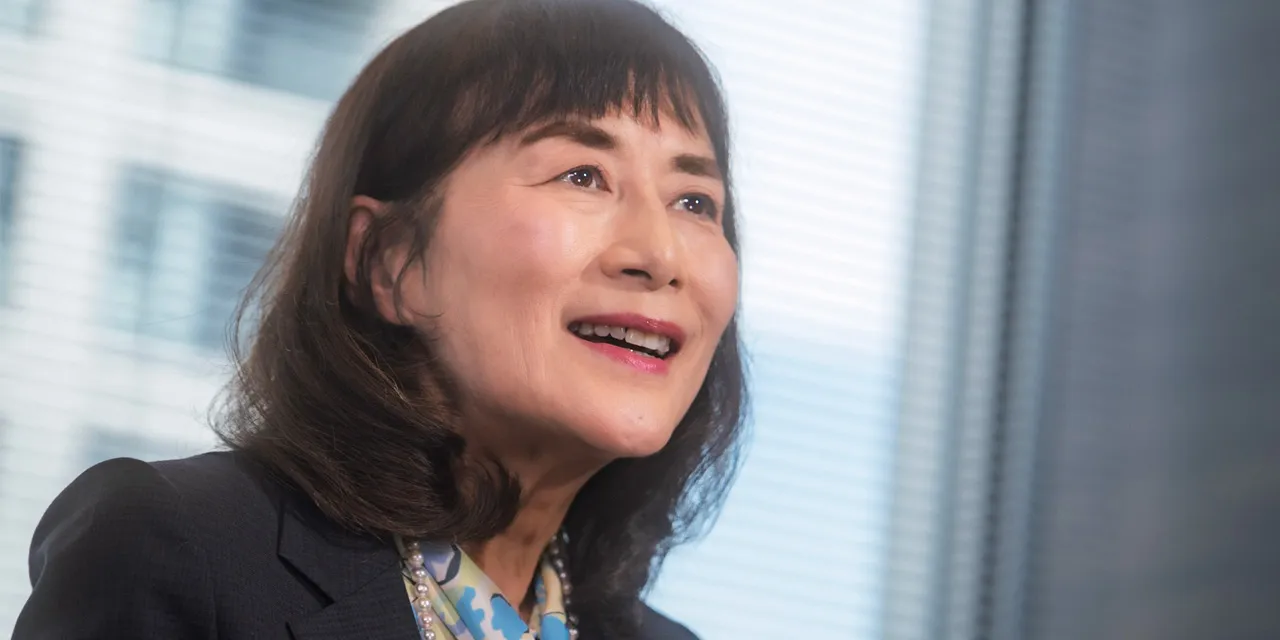
My career started in banking, and after that I spent a long stretch mostly at Sony. I also gained experience at startups.
Overall, my focus has been finance: fundraising, IR and SR, business management, portfolio management and investment decisions.
What I paid particular attention to while working at a global company like Sony, was building the foundation that supports a business and its management.
I always worked with one question in mind: how can I best support the business?
There were a lot of reasons I joined Rapidus in 2024, but one thing really stuck with me.
When I met with CEO Koike-san, he said, "When you think about the future of Japanese manufacturing, taking on leading-edge semiconductors is something we can't avoid." Having been involved in manufacturing for a long time, I found those words really striking.
It brings me great pride in being part of a project that could contribute not just to one company, Rapidus, but Japan and the whole world. That's why I decided to join.
――When you heard the phrase "Japan's challenge in leading-edge semiconductors," what did it make you feel about Japanese manufacturing?
I believe Japan has a strong tradition of excellence in manufacturing. At the same time, over the past several years I've watched Japanese manufacturing get overtaken by other countries. That's exactly why I hope Japanese manufacturing can – and will - make a comeback and keep growing well into the future.
Rapidus’ Management: Balancing Discipline and Speed
――What differences do you see between a mature global company and Rapidus today, which is growing at such a rapid pace?
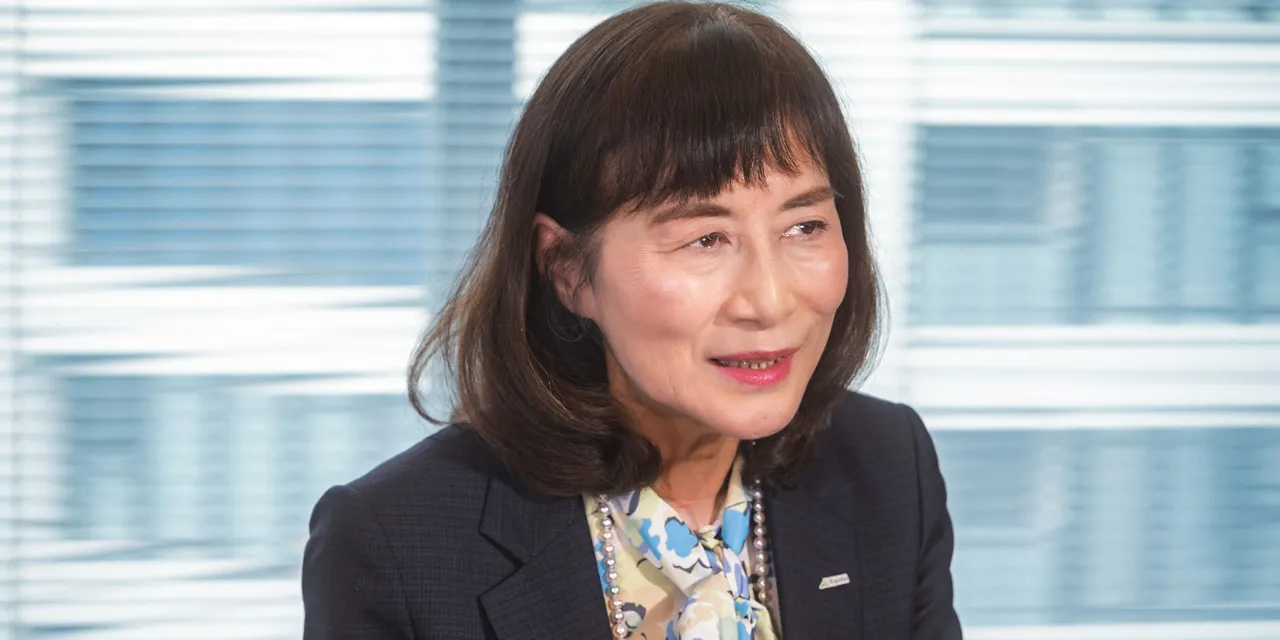
I believe the approaches to business management and organizational management differ significantly between mature companies and startups. A mature company has discipline and management methods that has built up over many years, and running the business by those methods enables companies to maintain high standards of management.
A startup, on the other hand, has to think while it runs and build its systems as it goes. There are no established management methods, so you must figure out how to manage as you move the business forward. In that situation, what matters most is speed. I think that's a big difference from a mature company.
I've worked at both mature companies and startups. Rapidus is in its founding stage, but the scale of the business is huge even by global standards. So I don't see it as just a startup. I see it as a company that combines elements of both. That's why I feel my experience in both environments is particularly valuable at Rapidus.
Getting to experience the dynamism that's unique to a founding-stage company while building a world-class management foundation at the same time is a hugely rewarding challenge.
Why Fair Disclosure Matters for Trust with Stakeholders
――Do you expect Rapidus to keep needing to raise funds as it works toward its goal of starting mass production?
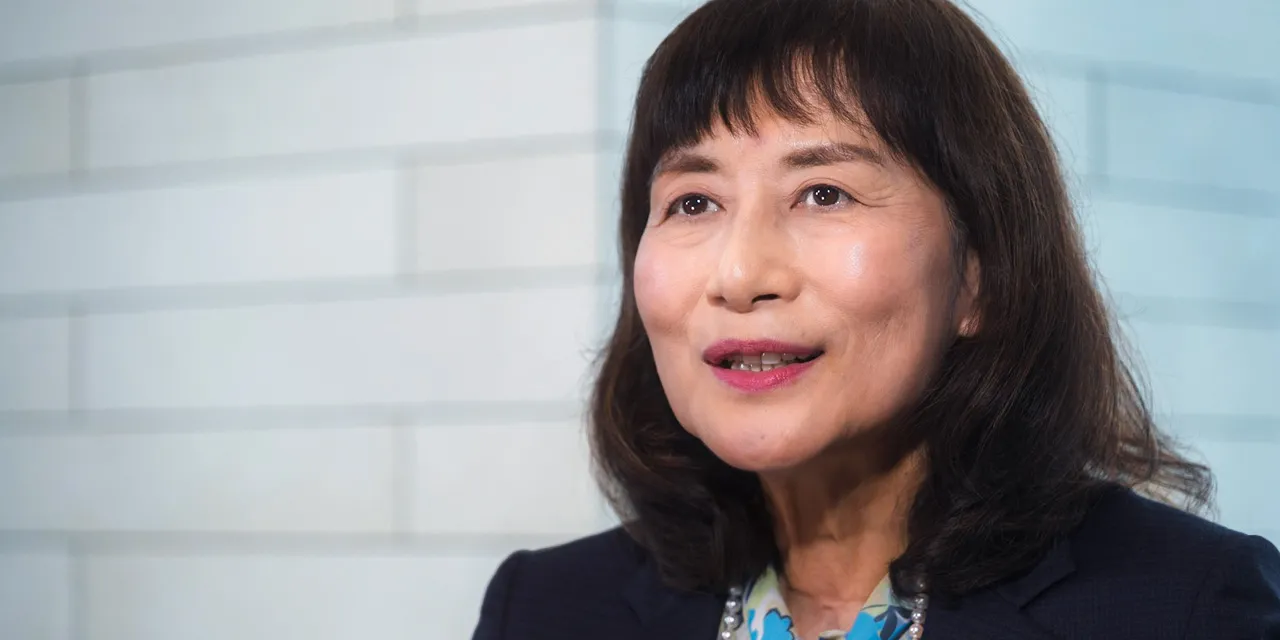
First, I would like to express my sincere gratitude to our shareholders, government agencies and all those who have supported us. As of June 2026, Rapidus had received more than 424.9 billion Yen in investment.
I see Rapidus’ work as a project of enormous national importance, and in that sense, we feel the weight of our responsibility very keenly.
As for fundraising, it's going smoothly right now and is in line with our business plan.
Going forward, we'll still need more funding, both for mass production and for development after mass production begins. Our plan is to secure what we need through a mix of government support, investment from private companies and loans from financial institutions.
On top of that, I think it's important to explain, transparently, how we're using the funds and what results they're leading to.
――Why does Rapidus place such importance on disclosure?
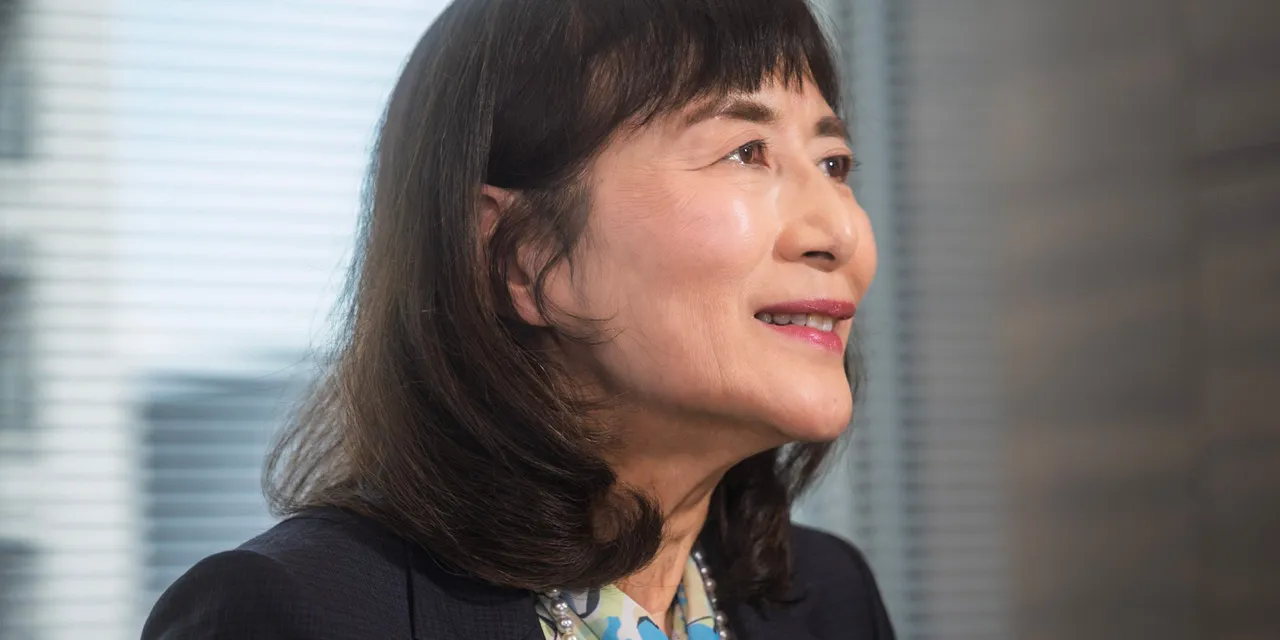
When people invest in us or lend us money, what matters most is trust, and disclosure is the foundation of that trust.
Public listed companies are expected to practice fair disclosure, meaning they release important information such as business and financial conditions equitably.
I believe this is equally important for Rapidus, although we are not a publicly listed company.
A company is supported by all kinds of stakeholders: shareholders, the financial institutions that lend us money, customers and business partners, and, in our case, the local community in Chitose, Hokkaido, where our R&D and manufacturing site is located.
And of course, our employees are important stakeholders too.
Giving all of these people accurate information, fairly, is what trust is built on. I believe fair disclosure is fundamental to enhancing corporate value.
――What do you do to get information across to such a diverse set of stakeholders?
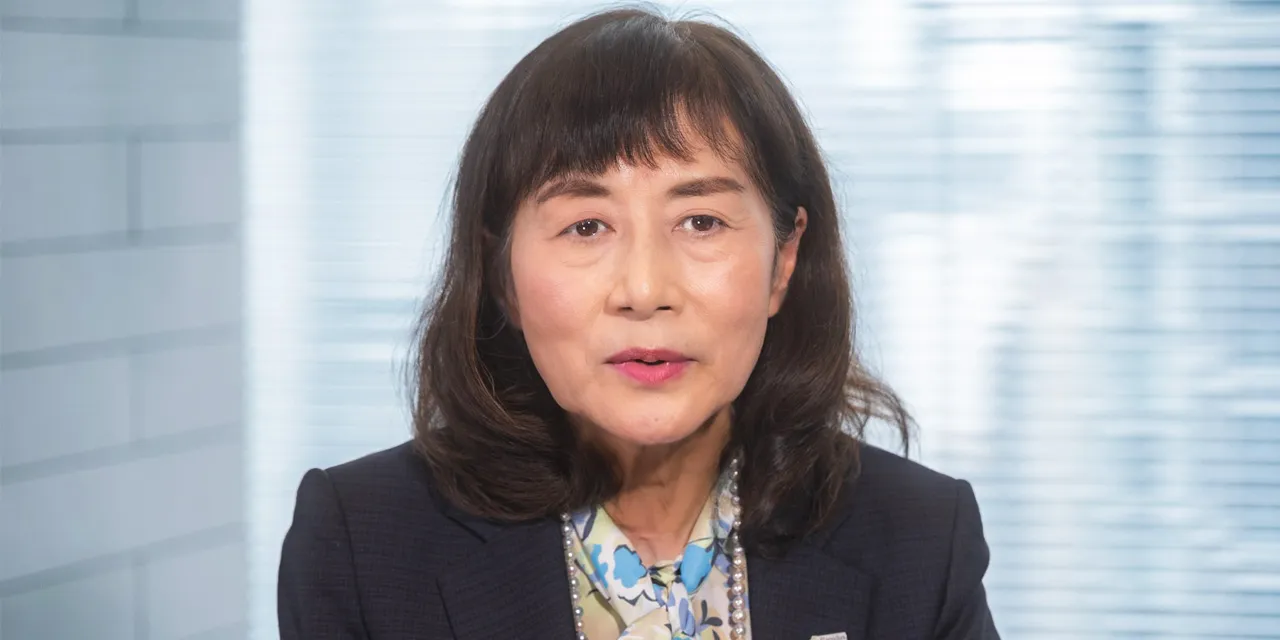
Although Rapidus is not a publicly listed company, we aim to provide accurate, fair, transparent and timely disclosure, keeping the standards expected of listed companies in mind. Beyond that, the way we communicate differs a little depending on the stakeholder, so I think it's important to tailor each communication to its audience.
For example, we hold a quarterly briefing for our shareholders. We try not to just run through the numbers. We also make a point of explaining our technology and what kinds of products we're making.
For employees, we of course share the facts of what happened, but we also make an effort to communicate messages from management.
Rapidus is a new company, so while we have a picture of what we want fair disclosure to look like, we're still shaping it step by step. We want to keep refining our approach, listen to the views of all kinds of stakeholders and build on that. Through that process, I believe we'll create the kind of fair disclosure I'm aiming for, and that it will lead to higher corporate value.
Bringing Six Functions Together to Share Rapidus’ Value
――You're both CFO and head of the Corporate Division. What strengths and synergies come from managing financial figures and non-financial messaging, such as PR and external relations, in an integrated way?
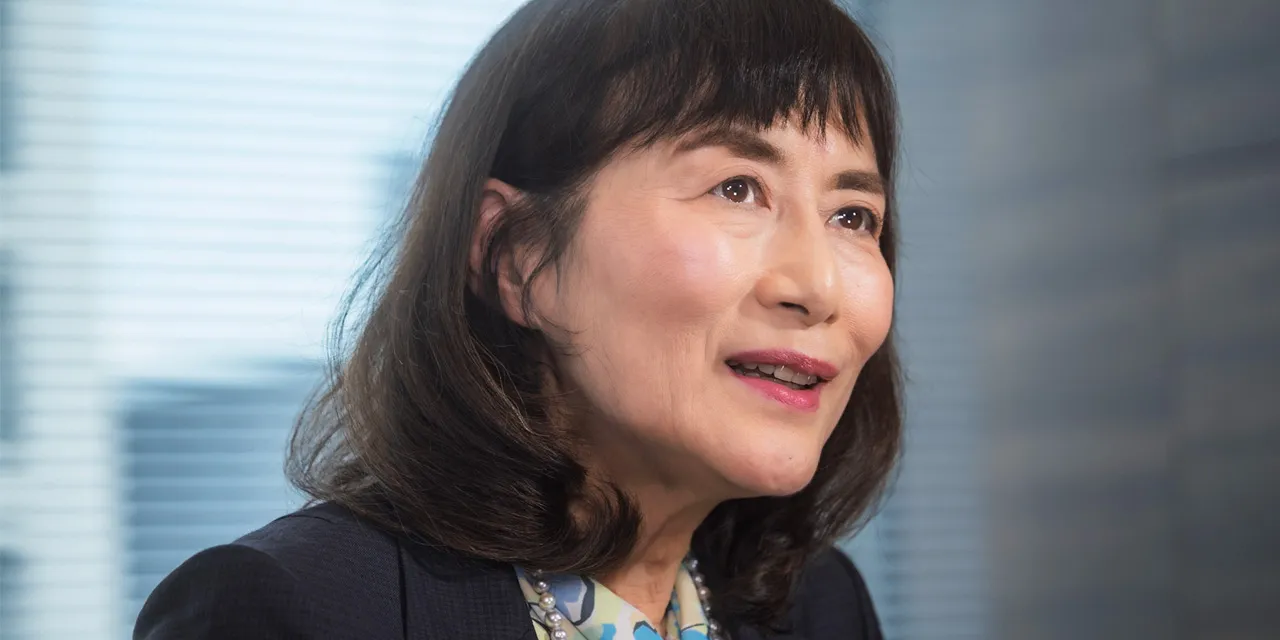
When considering corporate value, I believe it is essential to look beyond financial capital and recognize the importance of non-financial capital, including human capital, intellectual property, and social and relationship capital.
We work to combine the non-financial and the financial into one story and share it with our stakeholders.
Rapidus integrates six functions (business management, accounting, finance, IR and SR, public relations and government and external affairs) under the Corporate Division.
We didn't put them under one division just to be more efficient.
When the six functions are integrated and work as one, we can create a story that brings together the financial and the non-financial and share it effectively with our stakeholders.
In that sense, I think running these six functions in a single division is highly strategic.
Believe in Your Potential Beyond Gender: Develop Your Expertise and Broaden Your Perspective
――What role do you see women playing in the future growth of Japanese companies, and what opportunities do you see at Rapidus?
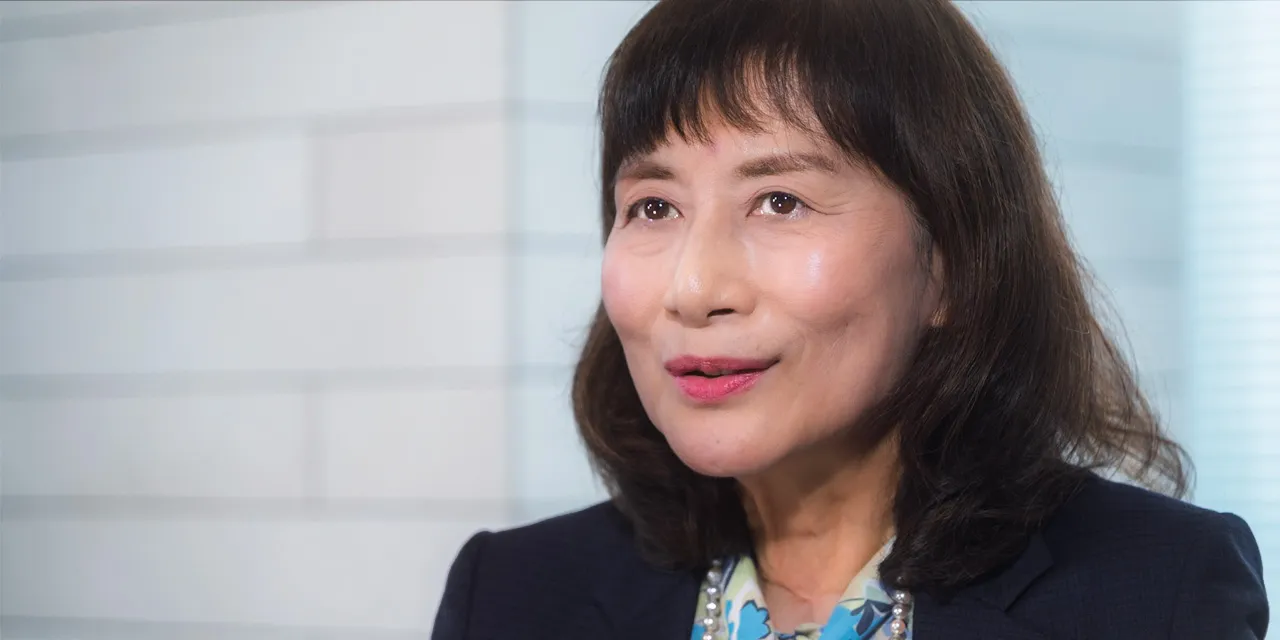
I believe women will play an important role in Rapidus' continued growth.
Many of our employees are engineers, but women currently represent a relatively small proportion of our workforce, particularly in engineering. I believe there is considerable potential for more women to contribute and thrive in this field.
I believe talent, ability, and potential are not determined by gender. However, family expectations and social norms can sometimes influence the career paths people consider, potentially leading them to overlook opportunities in engineering.
When talent and potential go unrealized, it represents a missed opportunity not only for individuals but also for Japanese industry as a whole. I hope more women will consider pursuing careers in engineering.
As a relatively new company, Rapidus offers opportunities across a wide range of technical and corporate functions. Regardless of gender, I hope everyone will feel encouraged to explore new challenges and pursue their ambitions.
――In building your own career, drawing on your expertise, is there anything you've kept in mind, or anything you try to keep in mind as a role model?
I think I've also, at times, unconsciously put a frame around my own abilities and set a ceiling for myself, thinking, "This is as far as I can go."
I hope people can break free from those self-imposed limitations.
Once I noticed those unconscious limits in myself, I made a point of not letting them hold me back and going after what I wanted to do.
Please don't think, "I can't because I'm a woman." I hope you'll take on all kinds of things.
Another thing, and this isn't just for women: I think building expertise is extremely important. I'd like everyone to develop a specialty they can point to and say, "This is what I'm good at."
At the same time, running a company takes more than looking at your own area of expertise.
You also need a broad view of how the whole company is doing and how the world is changing. With expertise plus a perspective that takes in the whole company and even society as a whole, I think you can play a role in management too.
By developing people who have one area of expertise and can also see the whole company and society with a wide view, I believe the company can make better decisions.
Supporting a Business That Can Compete with the World, and Passing It On to the Next Generation
――What are your outlook and plans for the future?
My goal is to build the strong management foundation Rapidus needs to grow into a semiconductor manufacturer that the world can trust.
To achieve this, we need to take an integrated approach to strengthening our financial foundation, making effective use of our human capital, and enhancing corporate governance, among other essential elements. I see this as my responsibility.
I want this management foundation to support a business that can expand globally and compete on the world stage.
Rapidus is an enormous challenge, even in the history of the Japanese semiconductor industry. That's why I want to leave behind systems and a culture that extends to the next generation, not just short-term results.
I want Rapidus to be a company that, some years from now, people look back on and say, "That was the turning point for the revival of Japan's semiconductor industry." To achieve this, I am fully committed to building a strong management foundation and contributing to our future.
- #Interview
- #Atsuko Murakami
- #Management Foundation
- #Disclosure


Recommendation