People
Rapidus Merges Front-End and Back-End Semiconductor Processes for Ultimate Performance
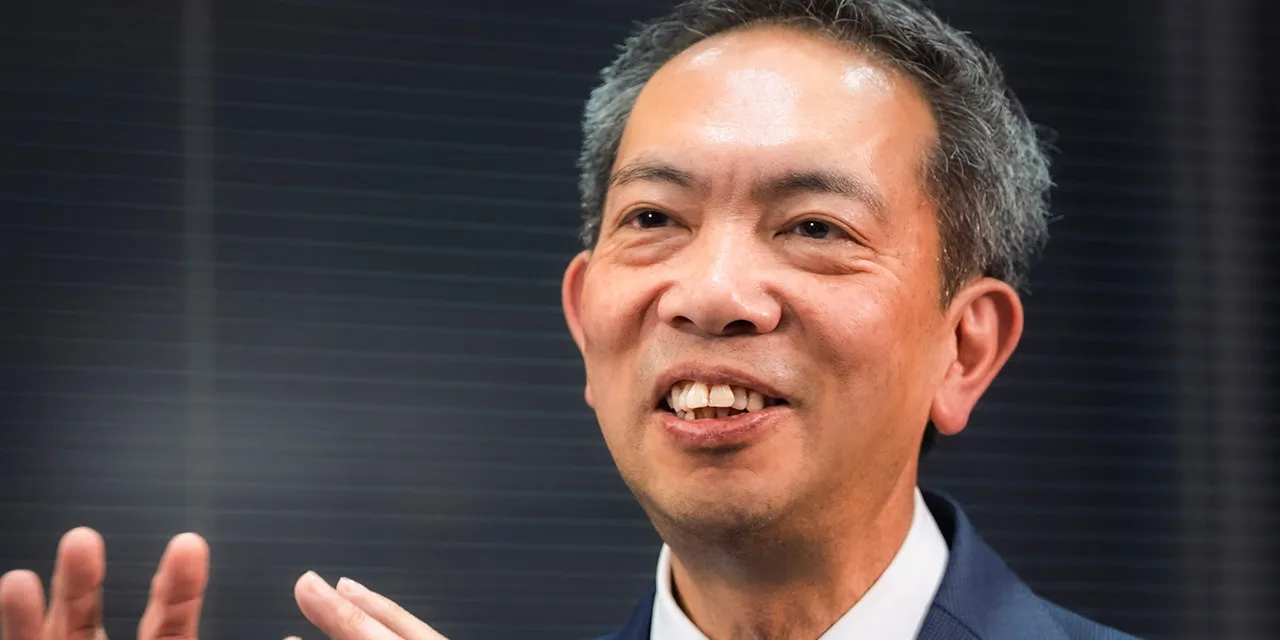
Semiconductor manufacturing is divided into front-end and back-end processes. The front-end forms circuits on silicon wafers, while the back-end packages chips for integration into devices. However, while typical foundries※1 handle only the front-end, Rapidus is tackling both front-end and back-end in an integrated, end-to-end approach. How challenging is it to merge these processes? What level of performance can we expect from this integration? We interviewed Yasumitsu Orii, senior managing executive officer and head of Rapidus' Engineering Center, to discuss the future technologies he envisions.
Establishing the Rapidus Engineering Center with Great Anticipation
―― Rapidus is taking on a challenge that is rare even on a global scale: integrating front-end and back-end semiconductor processes. What is the most difficult challenge and how are you working to overcome it?
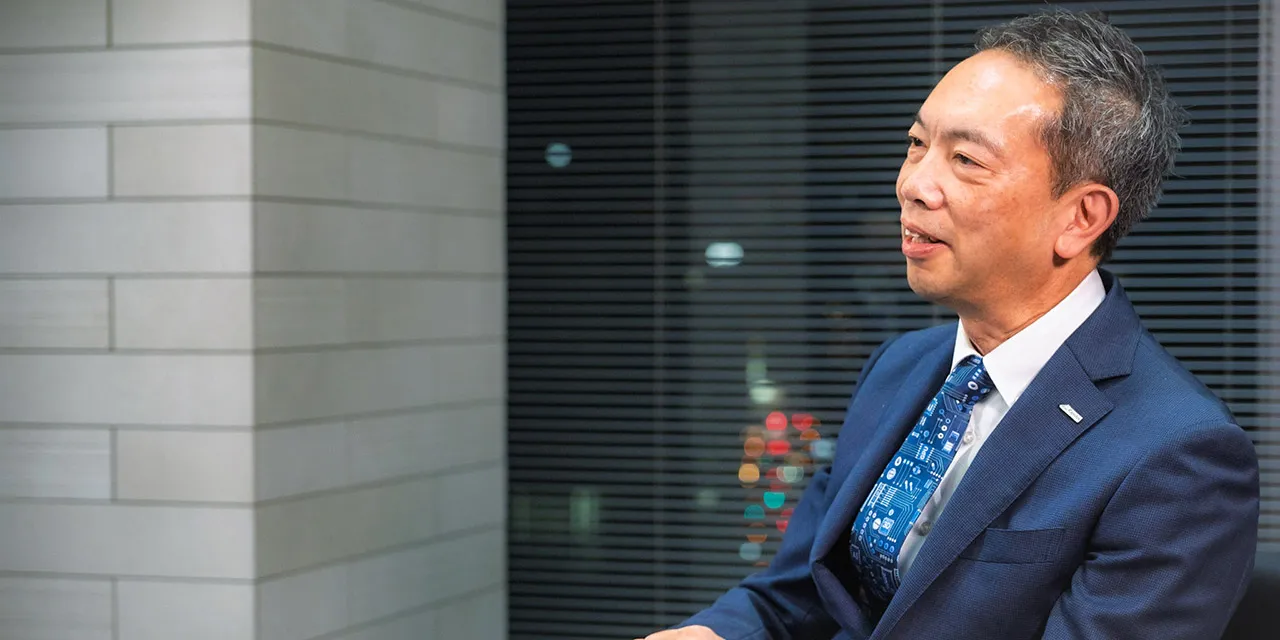
Until now, front-end technology has led the way in improving semiconductor performance, but going forward, we cannot meet the required performance without combining back-end technology as well. To overcome this, we need to break down the barriers between the two and create innovation by leveraging the strengths of both front-end and back-end processes.
Front-end and back-end are part of the same semiconductor manufacturing process, but they speak different languages and have different cultures. Even at IEEE※2, the semiconductor industry's academic society, front-end is represented by the Electron Devices Society (EDS) and back-end by the Electronics Packaging Society (EPS), and there is virtually no interaction between them.
However, going forward, we need to merge front-end technology such as gate-all-around (GAA) ※3 with back-end technology such as chiplets※4 to enhance performance. That is why Rapidus established our Engineering Center on April 1, 2025, integrating the Silicon Technology Division (front-end) and the 3D Assembly Division (back-end). What is truly important is that our president and top leadership are committed to integrating front-end and back-end in some way. This organizational restructuring clearly reflects the management team's firm resolve.
After becoming head of the Engineering Center, the first thing I did was work to break down organizational barriers.
We started by eliminating language barriers. To promote interaction between front-end and back-end developers, we have front-end people learn about back-end and back-end people learn about front-end, eliminating language hurdles.
Next is the cultural barrier. We are incorporating the best aspects of each and building communication, including through external interactions.
If we can do this, it will absolutely become a huge strength for Rapidus in the future, so I really want to push this through. I believe new innovations will only happen if front-end and back-end come together.
Previous Experience Leading to a Back-End Revolution
―― You gained important experience at IBM that connects to today's chiplet technology. Now that back-end is the key to game-changing innovation, how are you applying that experience?
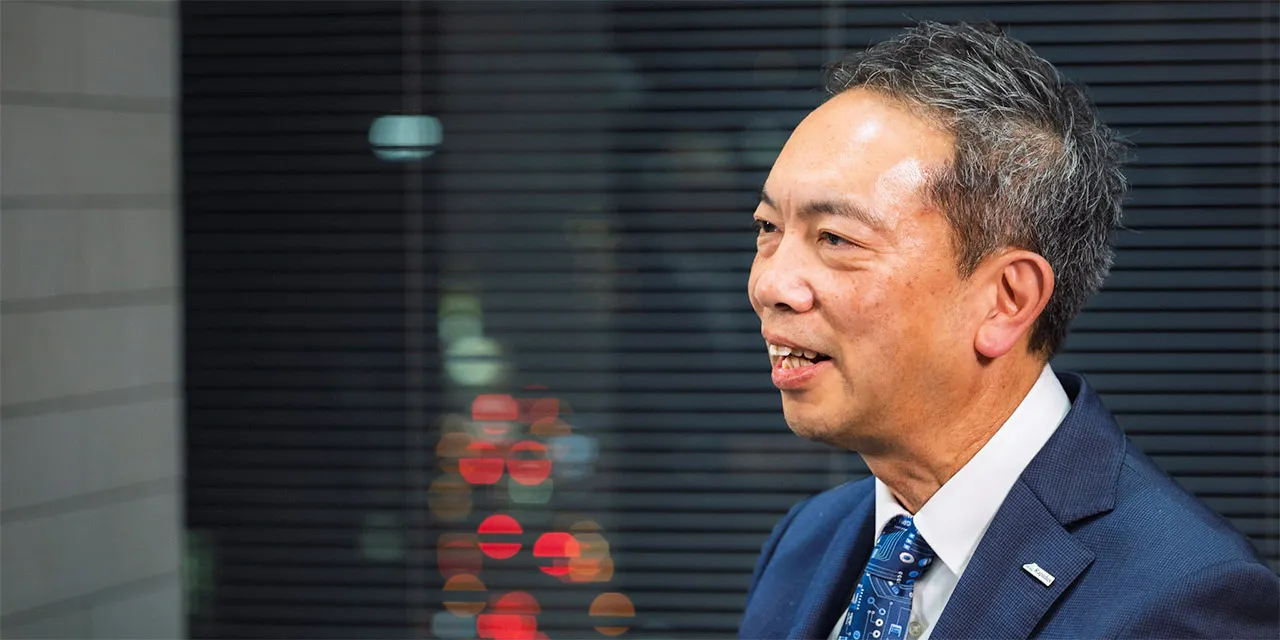
The technology I was involved with at IBM for connecting multiple chips, as well as the approach to chip cooling, are directly applicable to our current development. While the semiconductor formats were different back then, the essence of what was required is the same. After more than 40 years, the importance of cooling technology is being reconsidered, and I believe the era when back-end determines computer performance has come around again.
I joined IBM in 1986, when IBM was developing mainframes※5 used for systems such as bank core systems. At that time, bipolar chip integration was not advanced, so we needed to package 121 bipolar transistors※6 on ceramic substrates. It was like a monster version of today's chiplets.
These semiconductors generated so much heat that cooling technology using chilled water was already being used back then. Since semiconductors cannot perform well when they heat up, back-end processes (packaging) determined computer performance.
Later, with the shift to CMOS※7 format, those 121 transistors became a single chip. Then the focus shifted to price competition. Even before Rapidus was established, I was thinking that eventually CMOS would no longer be possible on a single chip, and the day would come when we would need technology to connect multiple chips and improve cooling performance.
In other words, I believed we would absolutely need back-end capabilities again to improve computer performance, and that time is now. Being able to do this at Rapidus makes me think I had a really valuable experience at IBM.
However, there are difficult aspects to bringing out 2nm chip performance in the back-end.
For example, organic substrates have a larger coefficient of thermal expansion※8 than chips (silicon), so they expand more easily. To reduce power consumption and increase speed, we use Low-k materials※9 in the chip's multilayer wiring, but they have low mechanical strength. As a result, when organic substrates expand, thermal stress can cause cracking.
Gently protecting chips on the packaging side so they are not damaged is one of the core missions of packaging. Understanding both characteristics well is one reason why it is so important to handle both front-end and back-end within the same company, and I think this is also extremely important from the perspective of front–back integration.
World's First Demonstration Development of 600mm Square Glass Panels
―― You are planning to launch a chiplet pilot line in spring 2026. What is the current situation on the ground?
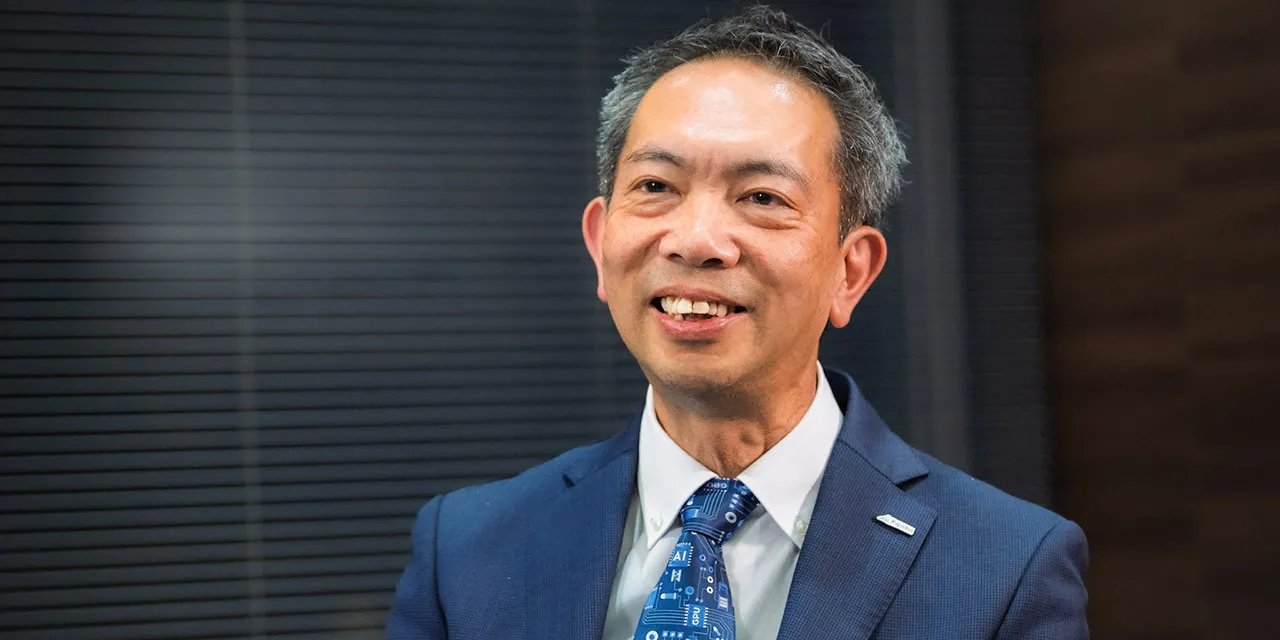
We are currently preparing to launch the back-end pilot line. This includes technology that will take on the world's first demonstration development.
The front-end pilot line has already been built at IIM-1 in Chitose City, Hokkaido. Meanwhile, we plan to launch the back-end pilot line in April 2026 at Seiko Epson's facility adjacent to IIM-1.
Here, we will conduct the world's first demonstration development of 600mm square RDL glass panels for AI applications. Industry standard sizes are 300mm in diameter or 515mm × 500mm, but Rapidus is challenging 600mm × 600mm, assuming 8-reticle (81mm square) interposers. From a 300mm diameter wafer, you can only get four 8-reticle silicon interposers, but from a 600mm square panel, you can get about 49.
We have completed installation of equipment related to this panel-level packaging. In addition, we are bringing in equipment related to silicon interposers, flip-chip BGA and hybrid bonding, and will ultimately bring in and install close to 300 pieces of equipment.
―― What milestones will development follow going forward?
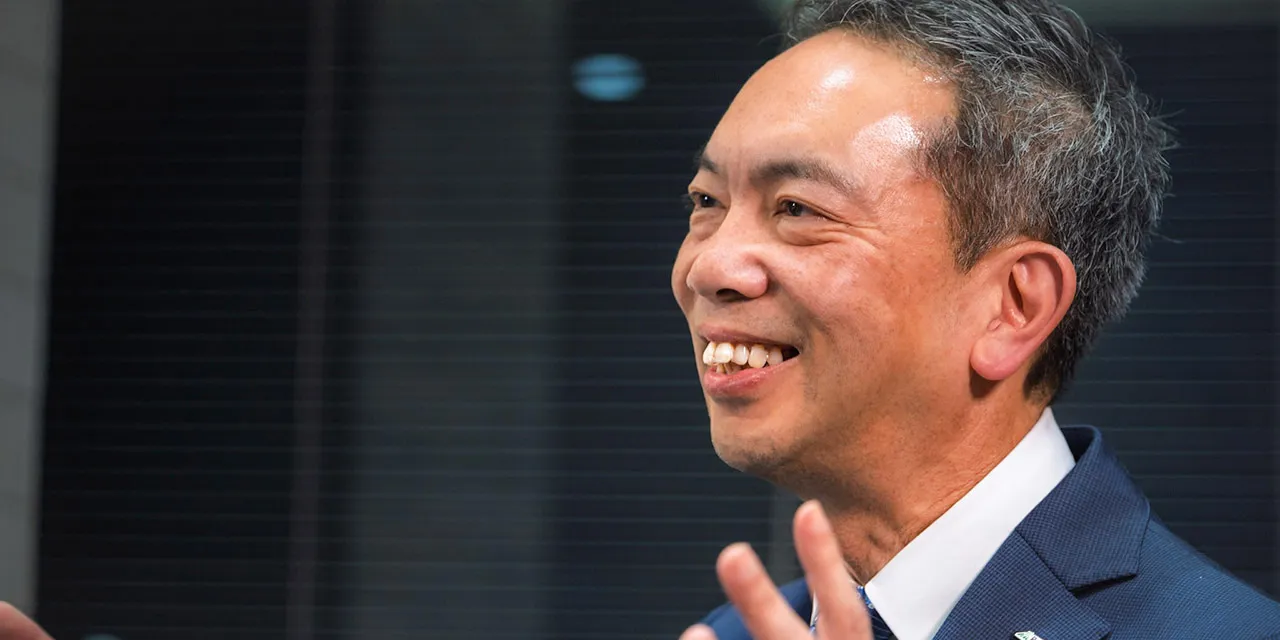
After launching the pilot line, we will move into a phase of quality verification to obtain customer approval. This is essential for mass production and, like the soul lot, represents a major milestone.
First, we need to create recipes. We need to determine the materials to use and optimal equipment parameters. Then we conduct two types of qualification or quality verification. The first is technology qualification.
This is a reliability test where we package test chips and measure resistance values, cycling between high and low temperatures hundreds of times to verify quality.
The second is product qualification. This involves packaging actual customer chips and conducting similar tests, obtaining customer approval and moving to mass production. Passing product qualification will be a major milestone for Rapidus, just like the soul lot.
Building Organizational Culture — Time Flows from the Future
―― As an organizational leader making decisions, what do you consider most important?
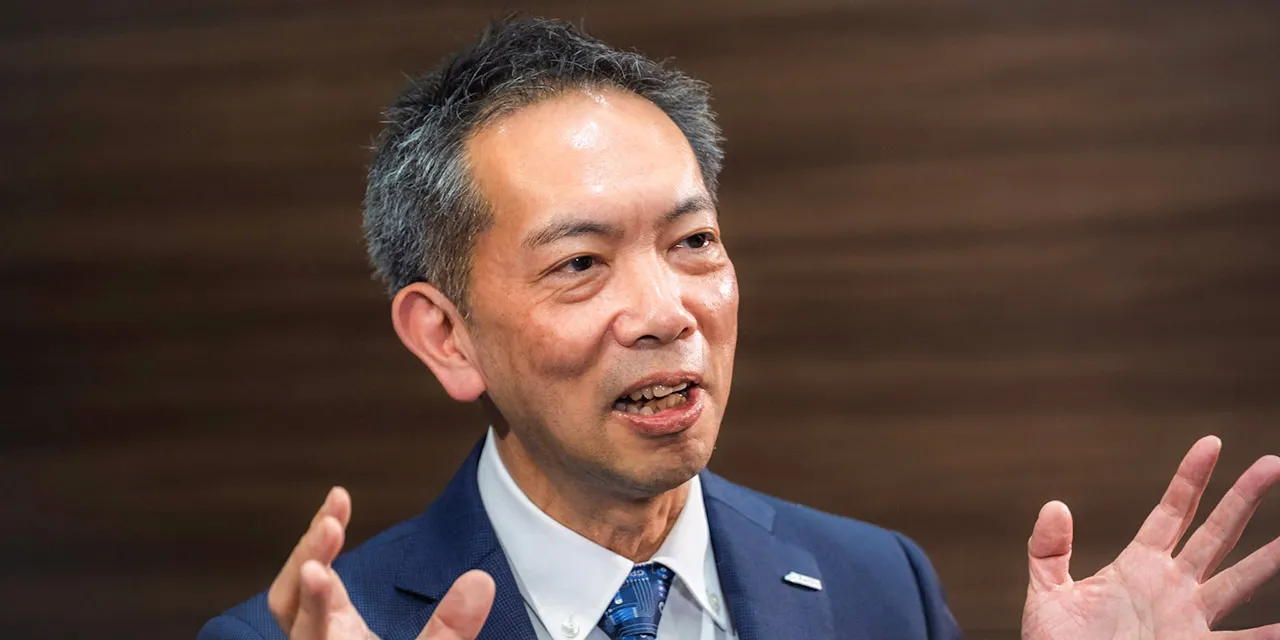
From a technology roadmap perspective, my principle is to determine what we should do now while looking at the future. Sometimes it feels like fighting alone, but I have worked without giving up, believing that the times will eventually catch up.
Rapidus' business has been selected by the New Energy and Industrial Technology Development Organization (NEDO) under the Ministry of Economy, Trade and Industry. When they issued the call for proposals, Rapidus was the only one to propose 8-reticle interposers. This decision was based on thinking that both logic and memory would eventually become larger.
Indeed, after about a year, 8 reticles became the industry standard thinking, and there is even discussion about the need for even larger 9.5 reticles. Decision-making based on an inevitable future is exactly what comes from the mindset that time flows from the future. I want to continue valuing this way of thinking when making decisions going forward.
―― Looking ahead to realizing your ideal organization, what do you expect from engineers?
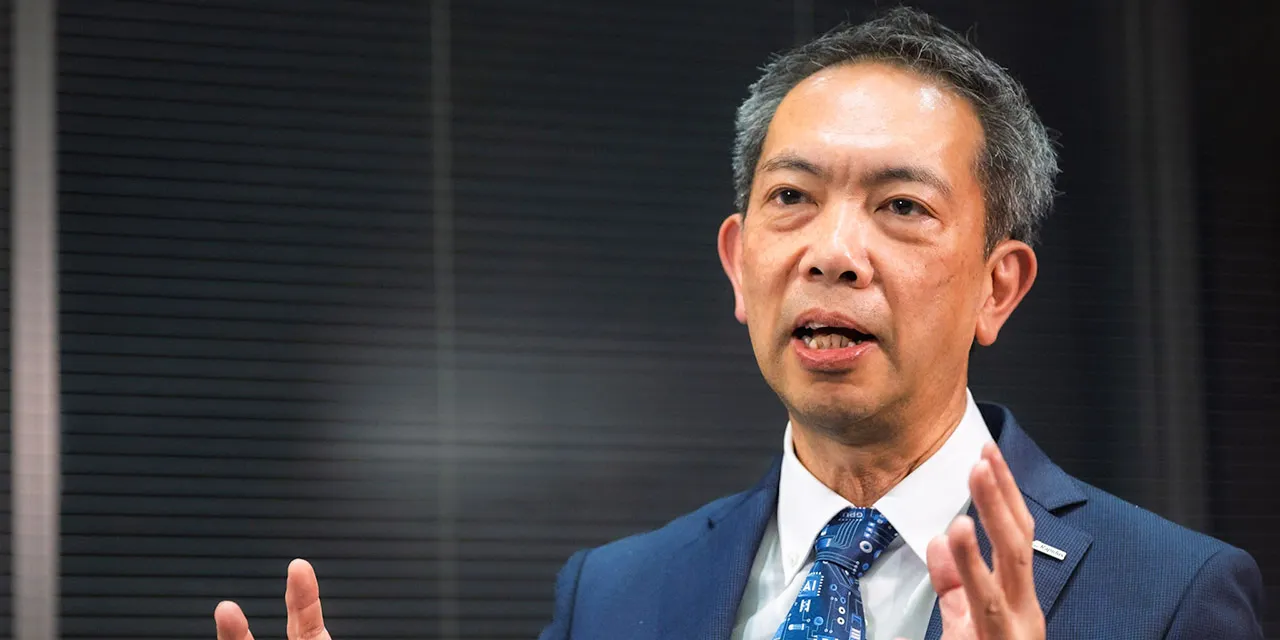
I expect three things from engineers: understanding different fields, future-oriented thinking and the pursuit of humanity.
Regarding understanding different fields, I want people to recognize that creating innovation requires not just accumulating existing knowledge but also flexible thinking. Rapidus attracts sharp talent with high potential and ambition, but for them to demonstrate even higher potential, it is important not just to focus on their own technology but to connect with different fields, and it is important for management to provide those opportunities. For front-end people, studying back-end, and for back-end people, studying front-end is one step, but I would like them to connect with people from different fields and distant industries and interact as much as possible. I believe ideas gained from knowledge outside one's specialty led to flexible thinking and solving important challenges.
Regarding future-oriented thinking, we need to imagine and discuss what the world will be like five to ten years from now. For example, with autonomous driving, cars will collect information about roads and their surroundings using cameras and sensors. Incomparably larger big data will be generated than now, providing drivers with real-time information such as restaurant crowding. Technologies that enrich society will also be implemented, such as route setting that predicts traffic congestion and signal timing control. Thinking this way, you naturally understand what performance is required from semiconductors, and you cannot help but realize we need to raise performance to a level different from before. Additionally, you understand how fast we need to advance our technology development.
And then there is the pursuit of humanity. I think we should focus on humanity in the truest sense of the word. We are doing various jobs now, but I think there will be more work that robots and AI can do, so we should leave that to AI and spend more human time—really valuing time with family, spending time on entertainment and so on. Also, communicating face-to-face rather than remotely, talking about various things and thinking about the other person's feelings, I think we need to consider more things like that.
―― Please tell us about the goal you envision for Rapidus.
Rapidus calls equipment and material manufacturers not suppliers but partners. Naturally, this is because we recognize that the companies jointly promoting our business have an equal relationship with Rapidus. We do not compete with other foundries or OSATs※10 either. We envision obtaining legacy semiconductors※11 from other foundries, packaging them together with our 2nm semiconductors, and also outsourcing FCBGA and TEST to OSATs. In technology development, we are also collaborating with Germany's Fraunhofer and Belgium's imec.
I expect that Rapidus, by standing at the same eye level with everyone and working together, can create a world where we can take on more and more new challenges, and I think Japanese companies probably have similar expectations.
I have recently been calling such a state the invincible fleet. Here, invincible does not mean defeating opponents, but rather not making enemies. In the semiconductor market where players from around the world are active—not only other semiconductor manufacturers but also equipment and material manufacturers—we will build equal relationships and contribute to realizing a society coexisting with AI, which is a common global challenge. And with this invincible fleet mindset, we will charge toward mass production together with partners without making enemies.
How to make society's people happy through semiconductors is Rapidus' management philosophy, so making semiconductors is not our goal—making everyone happy is. In that sense, our society is becoming incredibly more convenient with AI, so we want to accelerate that.
I can see a future where semiconductors make people around the world happy.
- ※1 Foundry: A contract manufacturer handling front-end processes. Normally does not handle back-end, but Rapidus handles back-end as well in an integrated approach.
- ※2 Institute of Electrical and Electronics Engineers (IEEE): The world's largest organization specializing in electrical and electronic technology, including semiconductors and related technologies.
- ※3 Gate-All-Around (GAA): A three-dimensional transistor structure where the channel is formed as nanosheets or nanowires, with the gate electrode surrounding the channel from all sides.
- ※4 Chiplet: Technology that builds large-scale systems by combining multiple semiconductors with different functions within a single package.
- ※5 Mainframe: Large computers for running core systems of banks, hospitals and major corporations.
- ※6 Bipolar transistor: An early transistor that operates with both holes and electrons. Called bipolar because it uses two electrodes and has current amplification and switching functions.
- ※7 Complementary Metal Oxide Semiconductor (CMOS): A semiconductor combining p-type and n-type semiconductors, characterized by high integration, low power consumption, high speed and reliability.
- ※8 Coefficient of Thermal Expansion (CTE): The ratio of dimensional change (expansion) relative to temperature change. Higher values mean more expansion at high temperatures.
- ※9 Low-k material: An insulating material that reduces dielectric constant to decrease inter-wiring capacitance, achieving high speed and low power consumption.
- ※10 Outsourced Semiconductor Assembly and Test (OSAT): Contract manufacturers handling only back-end processes.
- ※11 Legacy semiconductors: Semiconductors made with mature manufacturing technology.
- #Interview
- #Yasumitsu Orii
- #Back-End
- #Chiplet


Recommendation